
The Stack We Built One Problem at a Time
Pipeline Sprawl: Herding (Data) Cats with Axoflow
This is how it usually goes: there is a specific problem, for example, logs are missing. Or a new cloud service shows up. A team needs better visibility. A compliance requirement appears out of nowhere. Someone finds a product, open source or paid, that solves that exact problem very well.
So it gets added. Then another problem shows up, and another product gets added. Then another. None of them are bad choices, in isolation they are often very good ones. Each tool earns its place by fixing something real.
Fast forward a few years and the environment is no longer a system. It is a collection. This is fine.
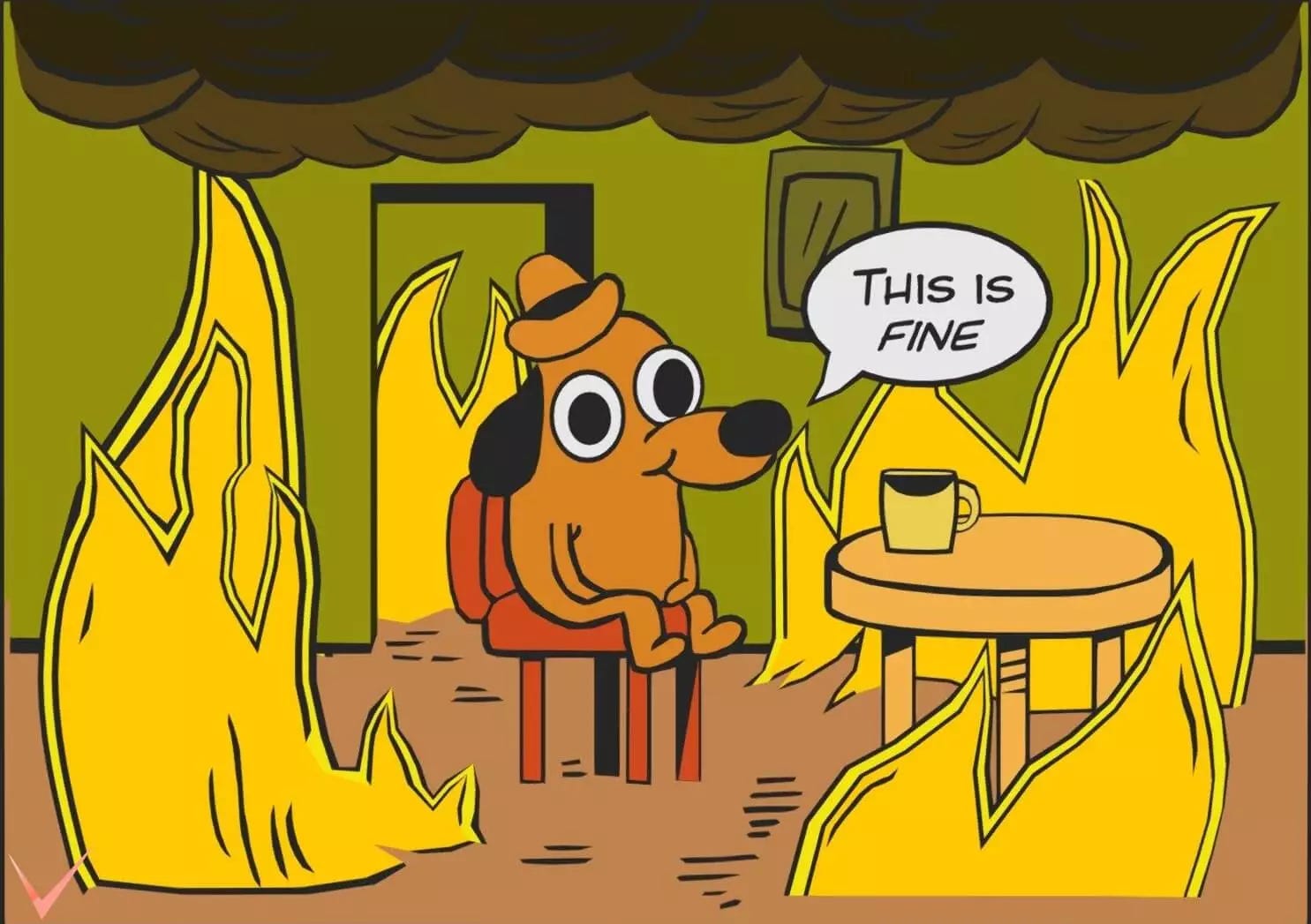
How the Hodgepodge Happens
Nobody sits down and designs a pipeline stack that includes five collectors, three agents, two commercial platforms, and a handful of custom configs. It happens incrementally.
Open source shows up first because it is flexible and fast. A paid product follows because scale, support, or integrations suddenly matter. Another paid tool appears because the last one does not quite cover a new use case. Ripping out any of these tools feels risky. Each addition solves a narrow problem. None of them are responsible for the whole.
Over time, the environment becomes a hodgepodge of products, formats, and configurations. Parsing happens wherever it was easiest at the time. Routing logic lives in multiple places. Ownership is implied, not documented.
One of the configs definitely does not live in git, and everyone knows exactly who used to understand it.
What Maintaining This Actually Looks Like
Maintaining this stack is not impossible, just exhausting.
Every tool has its own lifecycle. Open source needs upgrades and internal expertise. Paid tools need tuning, cost management, and vendor conversations. Using both somehow creates more work than using either.
When data goes missing, the first challenge isn't fixing it: it's figuring out which product to blame. Debugging becomes a tour of dashboards, configs, and assumptions made years ago.
I hear the same lines everywhere:
- "We only use this for one thing."
- "This was added later."
- "Nobody wants to remove that because it might be important."
Costs behave the same way. Data gets duplicated because it is easier to send it twice than to untangle routing. Open source looks free until you add up the time. Paid tools look predictable until volume quietly grows.
The stack works. It just takes constant effort to keep it that way.
The Real Problem Is Not Tool Choice
This is not an argument against open source. In fact, Axoflow is built on open source technology.
It is not an argument against paid products. Everyone uses both, and they should. Tool management and maintenance add too much overhead leaving senior engineers to troubleshoot instead of handling threats.
The problem is that solving problems one product at a time does not produce a coherent pipeline architecture. It produces a pile of solutions.
What is missing is a layer that helps teams understand what they already have, what is coming in, and how it all connects. Something that brings consistency to collection, transformation, and routing instead of letting each product define its own version of reality.
How Axoflow Helps
Axoflow doesn't fix this by claiming to be the one tool that replaces everything. That pitch rarely survives contact with reality.
Axoflow helps by giving teams visibility and control over the full pipeline environment. It allows teams to see what data they already have, what is flowing in from new sources, where it is transformed, and where it ultimately lands. By understanding the current state and the incoming data, teams can make informed decisions instead of reacting blindly.
That visibility naturally opens the door to consolidation.
When teams can clearly see overlapping collectors, duplicate routing logic, or multiple tools performing similar transformations, they can start simplifying with confidence:
- Some legacy agents can be retired.
- Certain transformations can be centralized instead of maintained in three different places.
- Redundant forwarding paths can be eliminated.
- In many cases, entire point solutions can be consolidated into a cleaner, more intentional architecture.
Consolidation does not have to mean a risky rip-and-replace. It can be incremental. As responsibilities become clearer, products that were added for narrow reasons can be evaluated honestly. If they are still needed, they stay. If not, they can be phased out without fear of breaking something invisible. And the result?
- Transformations stop being scattered.
- Routing stops being duplicated.
- Pipelines become intentional instead of accidental.
- Changes become deliberate instead of risky.
- Removing a tool becomes possible because its responsibilities are actually understood.
Over time, pipeline sprawl becomes less cluttered and far more manageable. This is not theoretical. This is what teams use Axoflow for.


Follow Our Progress!
We are excited to be realizing our vision above with a full Axoflow product suite.
Sign Me UpFighting data Loss?

Book a free 30-min consultation with syslog-ng creator Balázs Scheidler